
Evidence in use
Case studies
How do people, vehicles and infrastructure interact on real streets? These projects show how researchers have used Boreal’s Holoscene platforms to collect evidence from the cyclist’s perspective, evaluate street conditions and test connected mobility concepts.
Explore the projects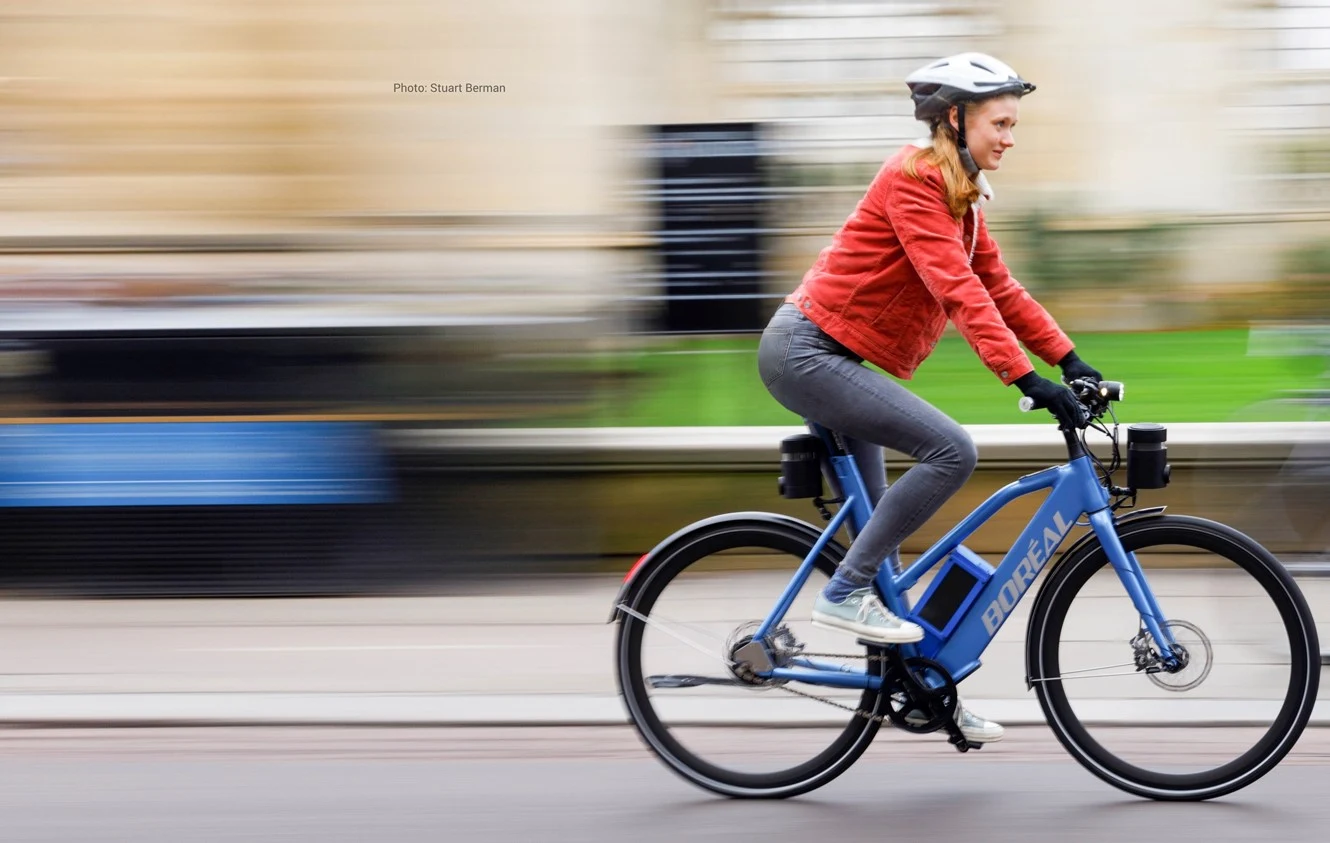
Research / Evaluation / Connected mobility
From the cyclist’s perspective.
 01 / Salzburg
Infrastructure evaluation
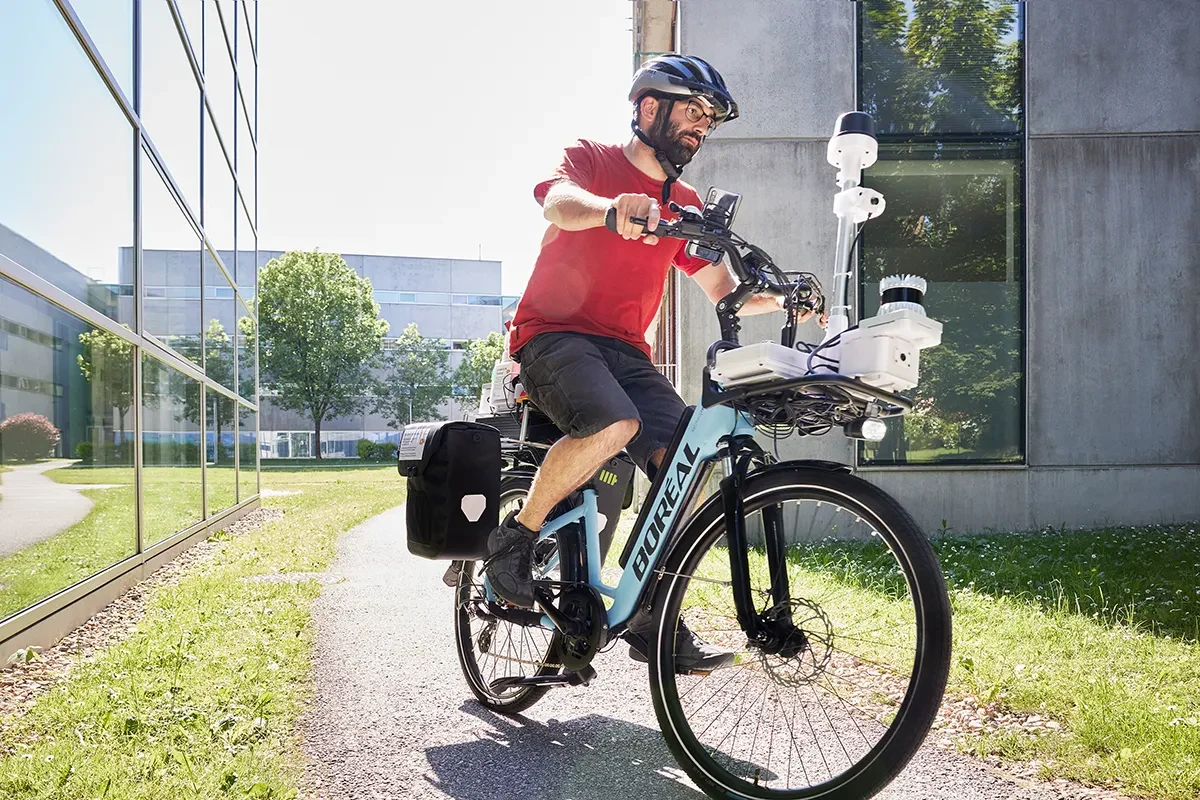
Evaluating infrastructure through overtaking measurements
Salzburg Research used a Holoscene research bicycle to analyse 356 overtaking manoeuvres on Nußdorferstraße. The findings helped compare two marking treatments and informed a recommendation for the street.
Image supplied by Boreal BikesExplore the case study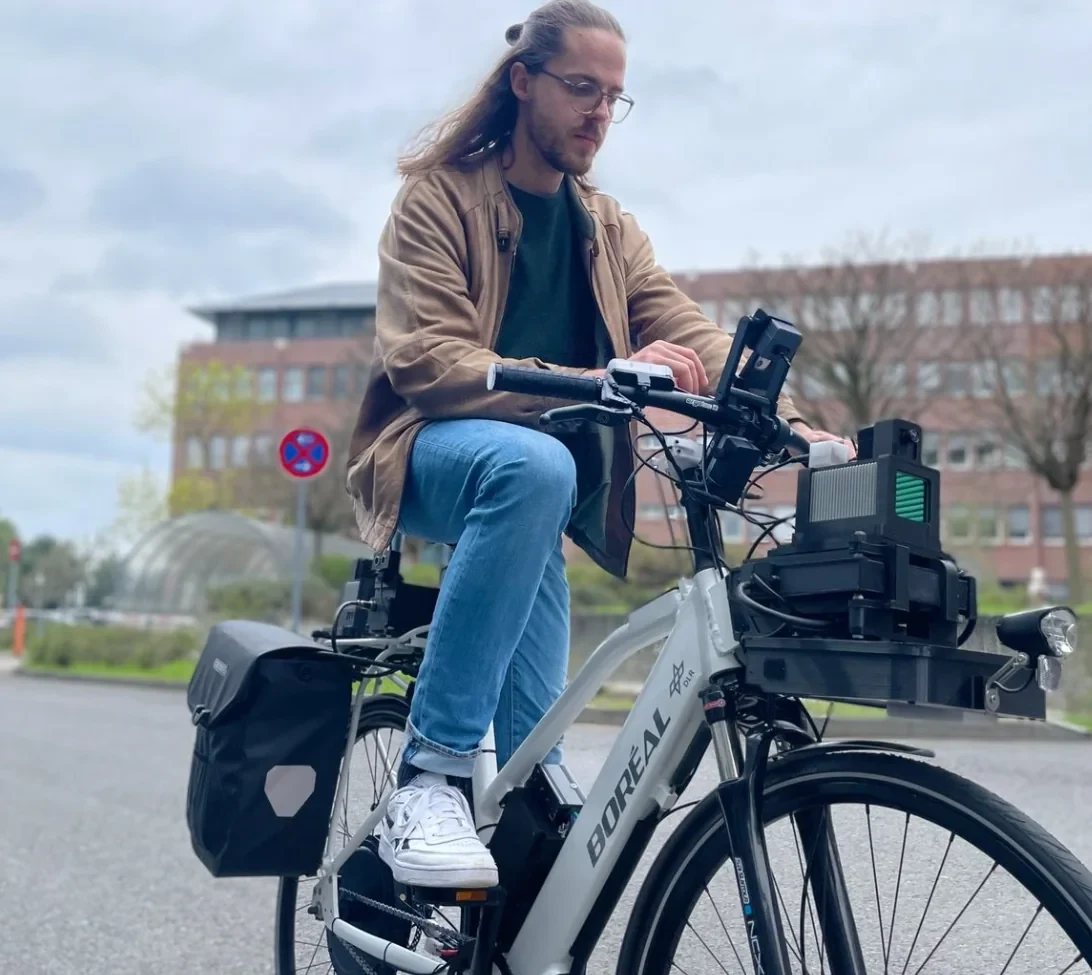 02 / SAVeNoW
Behaviour and junction research
Capturing cyclist interactions at an urban junction
DLR used a Holoscene research bicycle to record encounters with right-turning vehicles and cyclist-following behaviour. The campaign shows how mobile observation supports research into interactions at a working junction.
Image supplied by Boreal BikesExplore the case study03 / SenseBikePerception and research data
Cyclist perspective sensing for perception research
TU Delft’s SenseBike, based on Holoscene X, provided the platform for BikeScenes: a labelled LiDAR dataset for studying how perception models recognise road users and infrastructure from a bicycle.
© Stuart Berman · Platform referenceExplore the case study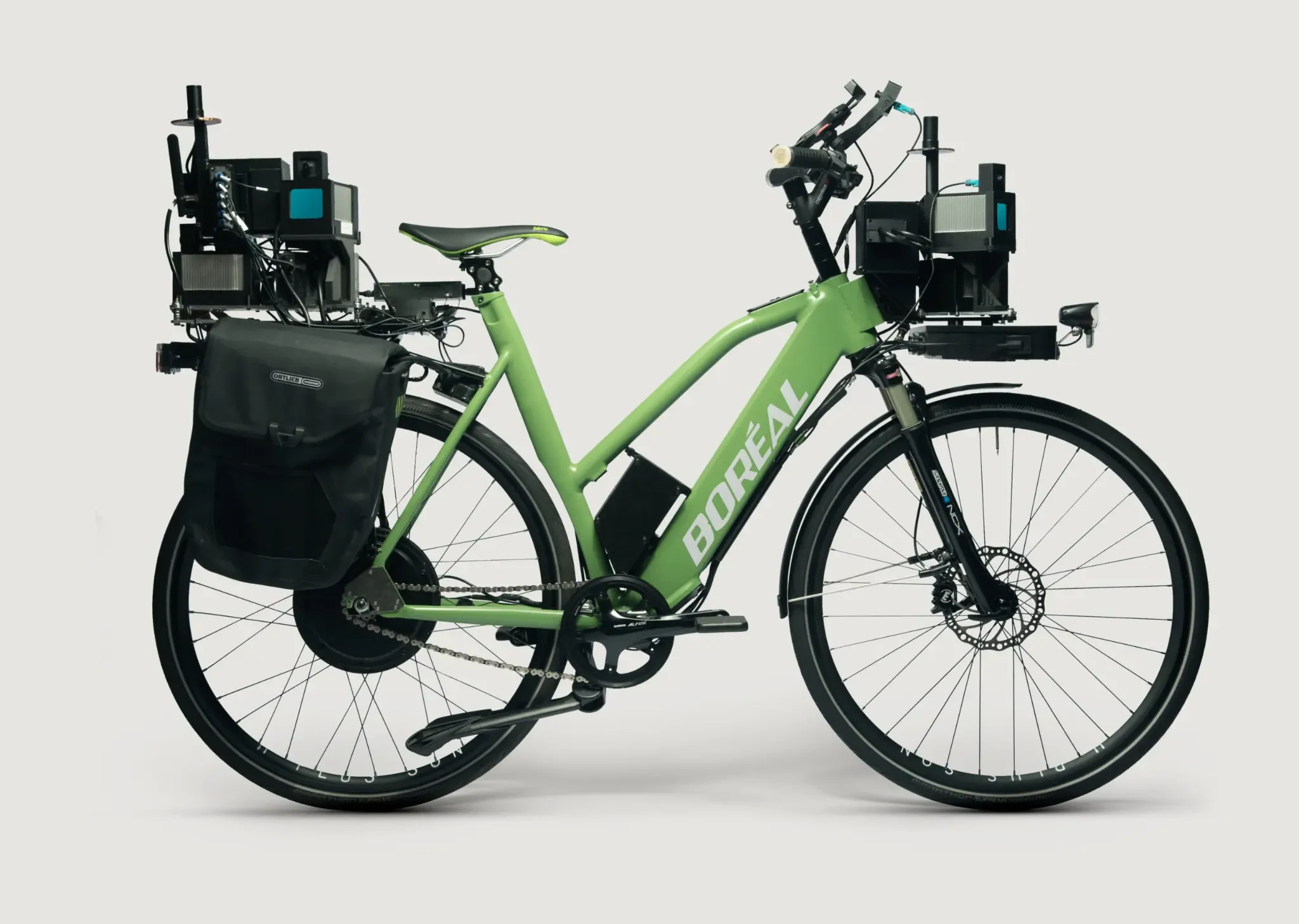 04 / Bike2CAV
Connected mobility and V2X
Connected cycling and V2X warning trials
Boreal developed the Holoscene Edge research bicycle for a consortium testing communication between bicycles, vehicles and roadside infrastructure. Trials explored cooperative collision-risk detection and rider warnings.
© Boreal BikesExplore the case studyStart with a question
Start with your research question
Whether you are evaluating a street change, studying behaviour or testing a mobility concept, Boreal can help define the observations and measurements your project needs.
Discuss a study